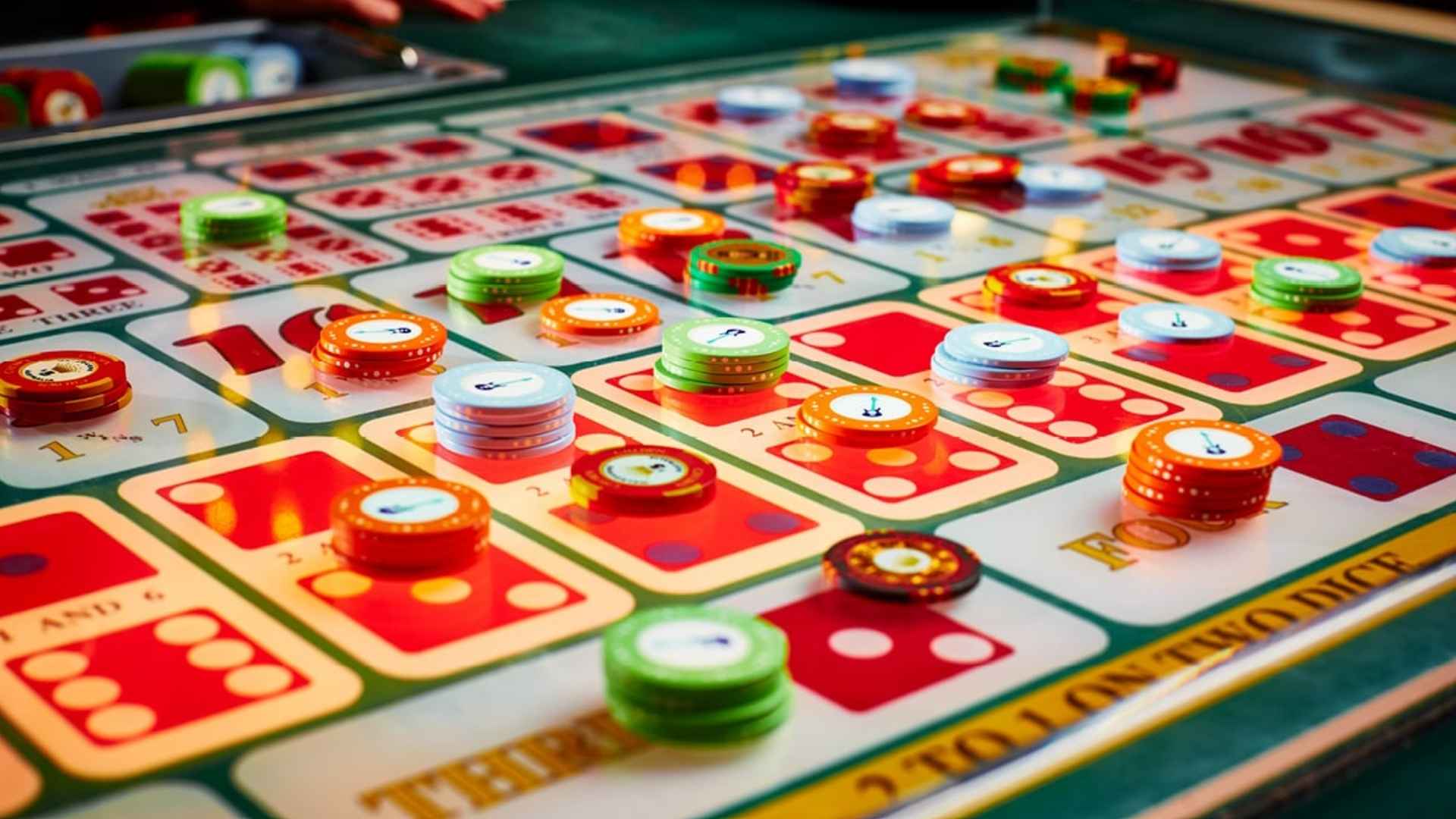
Random game mechanics have long been a cornerstone of interactive design, shaping how players experience risk, triumph, and disappointment. Beyond the underlying mathematical algorithms, unpredictable outcomes trigger powerful psychological responses that keep players deeply connected to the gameplay experience. Exploring these mental dynamics reveals why chance remains one of the most effective storytelling and engagement tools in modern gaming.
The Psychology of Anticipation and Uncertainty
Uncertainty naturally heightens human focus and creates emotional tension before an outcome is revealed. When players know that success is not guaranteed, every spin or card draw carries a distinct sense of dramatic weight. This brief period of suspense releases neurotransmitters that make final victories feel significantly more satisfying.
Even when a random event results in a loss, the anticipation itself provides a compelling wave of excitement. Designers carefully tune these moments using visual and auditory cues to amplify the feeling of hope. Consequently, the journey toward the result often becomes just as thrilling as the prize itself.
How Near-Misses Drive Player Motivation
One of the most profound emotional triggers in chance-based systems is the near-miss phenomenon. Almost reaching a desired goal convinces the brain that success is within reach, triggering a desire to try again immediately. This psychological mechanism transforms a potential moment of frustration into renewed motivation and heightened focus.
Modern digital platforms utilize these principles to craft highly immersive user experiences across various genres. For players interested in exploring mobile gaming interfaces that feature dynamic mechanics, accessing an m88 app download provides a direct view into contemporary design standards. Understanding these systems helps players maintain a balanced perspective while enjoying interactive entertainment.
Building Memories Through Unpredictable Narratives
Randomness introduces emergent storytelling, where unexpected events generate unique experiences for every player. When a low-probability event alters the course of a match, it forms a lasting memory that scripted sequences rarely match. Players frequently share these dramatic turns of fortune with friends, turning individual gaming sessions into social stories.
These unscripted highlights foster a strong personal connection between the player and the game world. Because the outcome was not predetermined, victory feels like a personal triumph over odds, while defeat feels like a temporary setback in an ongoing adventure. This emotional narrative keeps virtual worlds feeling active and authentic.
Finding Balance in Chance Mechanics
While randomness adds excitement, developers must balance unpredictable elements with skill to prevent player fatigue. Games that rely entirely on luck can leave players feeling helpless, whereas systems that reward strategy alongside chance feel fair and rewarding. Striking this harmony ensures that emotional responses remain positive and constructive over extended play periods.
Ultimately, chance-based mechanics succeed because they mirror the unpredictable nature of real life within a safe environment. By blending probability with engaging presentation, games create rich emotional landscapes that captivate audiences for hours on end.