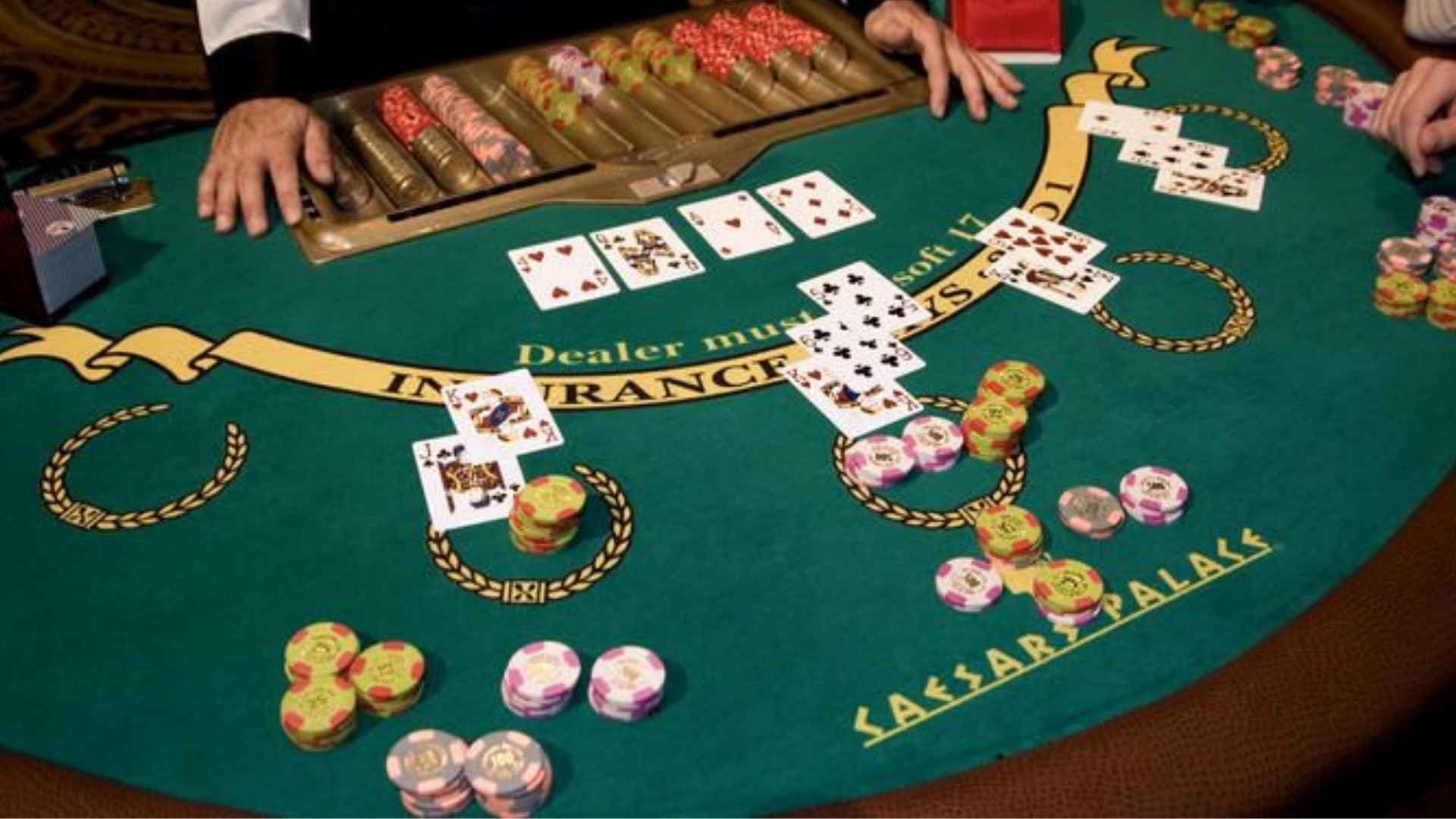
Succeeding in competitive card gaming requires more than just knowing the rules and hoping for a favorable deal. When the stakes are high and the clock is ticking, maintaining flawless control over your cards becomes a major psychological and physical challenge. Learning to handle this tension is what separates average players from consistent tournament champions.
The Psychology of Focus Under Stress
When high-pressure moments arrive, the body naturally releases adrenaline, which can lead to rushed decisions and physical tension. To combat this, experienced competitors rely on deep breathing techniques to stabilize their heart rate and maintain cognitive clarity. Keeping a calm mind allows you to analyze the table objectively rather than reacting impulsively out of fear.
Developing a structured pre-turn routine is another excellent way to maintain your mental composure when the pressure mounts. By executing the same mental checklist before every single move, you minimize the risk of making simple card-handling errors. Over time, these predictable mental habits build a strong sense of inner confidence that shields you from external tournament distractions.
Mastering Physical Card Control
Physical card control is often compromised when player nerves lead to sweaty hands or shaky fingers. Professional players overcome this by practicing their shuffling, holding, and discarding motions under various simulated high-stress conditions. Ensuring your movements are fluid and deliberate prevents you from accidentally revealing cards to your opponents.
Using high-quality gaming materials can also make a noticeable difference in your physical dexterity and control. Platforms like Mansion88 highlight how proper preparation, including the right environment and tools, plays a critical role in competitive success. Dedicating time to physical practice ensures that your hands remain steady even when the game reaches its most intense moments.
Strategic Risk Management
True card control involves knowing exactly when to play aggressively and when to fold a weak hand to preserve your points. Under pressure, many beginners make the costly mistake of overplaying bad hands because they feel rushed by the tournament clock. Developing a systematic approach to evaluating risk helps you make logical decisions independent of emotional pressure.
Tracking the cards discarded by other players is a vital component of advanced risk management during active matches. Observing these small details provides key insights into the strategies and potential hands of your opponents around the table. By combining this analytical approach with disciplined emotional control, you will consistently place yourself in a position to win.