Blackjack is widely recognized as a card game that heavily rewards thorough preparation and tactical foresight over impulsive decisions. While many people view card games as purely casual entertainment, serious enthusiasts know that long-term success relies on structuring every session intentionally. By implementing actionable blueprints and understanding statistical probability, anyone can elevate their casual play into a deeply calculated and structured pursuit.
Setting Concrete Limits and Session Objectives
The foundation of any robust card game strategy begins long before the first hand is dealt on the table. Establishing strict limits on your available funds ensures that your hobby remains entirely sustainable and stress-free over time. Experienced players recommend defining a clear monetary target and an absolute stop-loss threshold for every single session.
Maintaining absolute self-discipline prevents emotional distractions from clouding your mathematical judgment when unexpected losing streaks happen. Many players fail because they attempt to recover losses hastily rather than sticking to their predetermined structural parameters. Utilizing professional resources via M88 indonesia helps enthusiasts study these foundational planning guidelines in a highly reliable and safe environment.
The Core Role of Basic Mathematical Charts
Relying on personal intuition or temporary feelings is one of the most common mistakes a novice makes at the table. Instead, a successful player utilizes a basic strategy chart, which details the mathematically ideal response for every potential hand combination. This structured tool takes the guesswork out of complex situations by dictating exactly when you should hit, stand, or split.
For instance, standard charts clearly outline that standing on hard totals of seventeen or higher protects your position from a high probability of bursting. Conversely, hitting on lower totals allows you to build a stronger hand against whatever face card the dealer is currently holding. Memorizing these essential responses forms the backbone of tactical planning and shields your bankroll from unnecessary risks.
Evaluating Table Rules and Visual Layouts
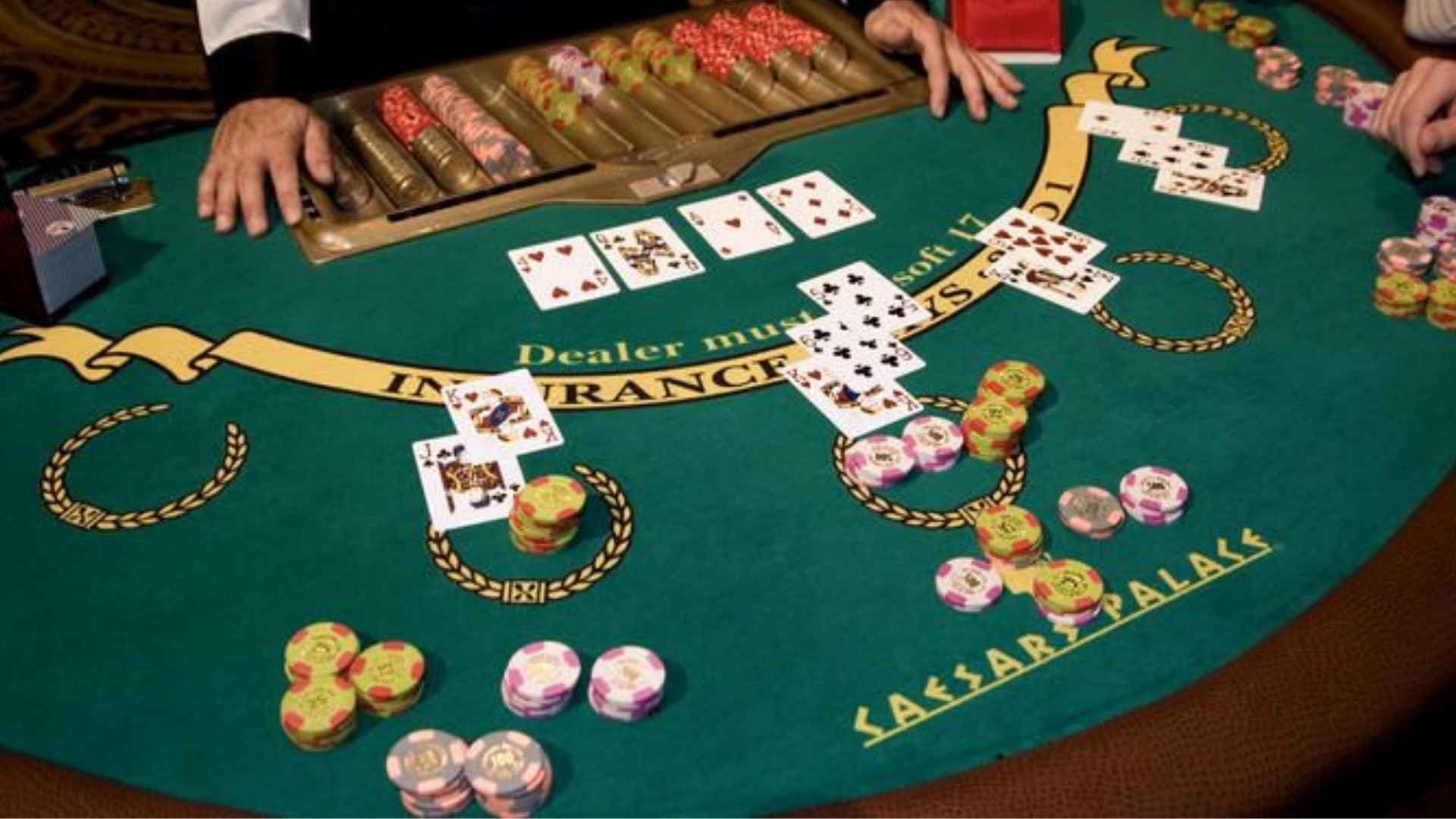
Not all tables are created equal, and a major part of effective preparation involves selecting the right environment for your goals. Subtle variations in table rules, such as whether a dealer must hit or stand on a soft seventeen, directly impact the statistical house edge. Examining these precise metrics beforehand allows you to adjust your approach to maximize potential efficiency.
Additionally, pay close attention to the specific payout ratios offered for natural twenty-one combinations, as three-to-two tables are significantly more profitable than six-to-five variants. Taking a few moments to evaluate the visual layout and embedded rules ensures you are never caught off guard during fast-paced rounds. By combining sharp game selection with disciplined bankroll tracking, you create a seamless and highly entertaining card playing experience.