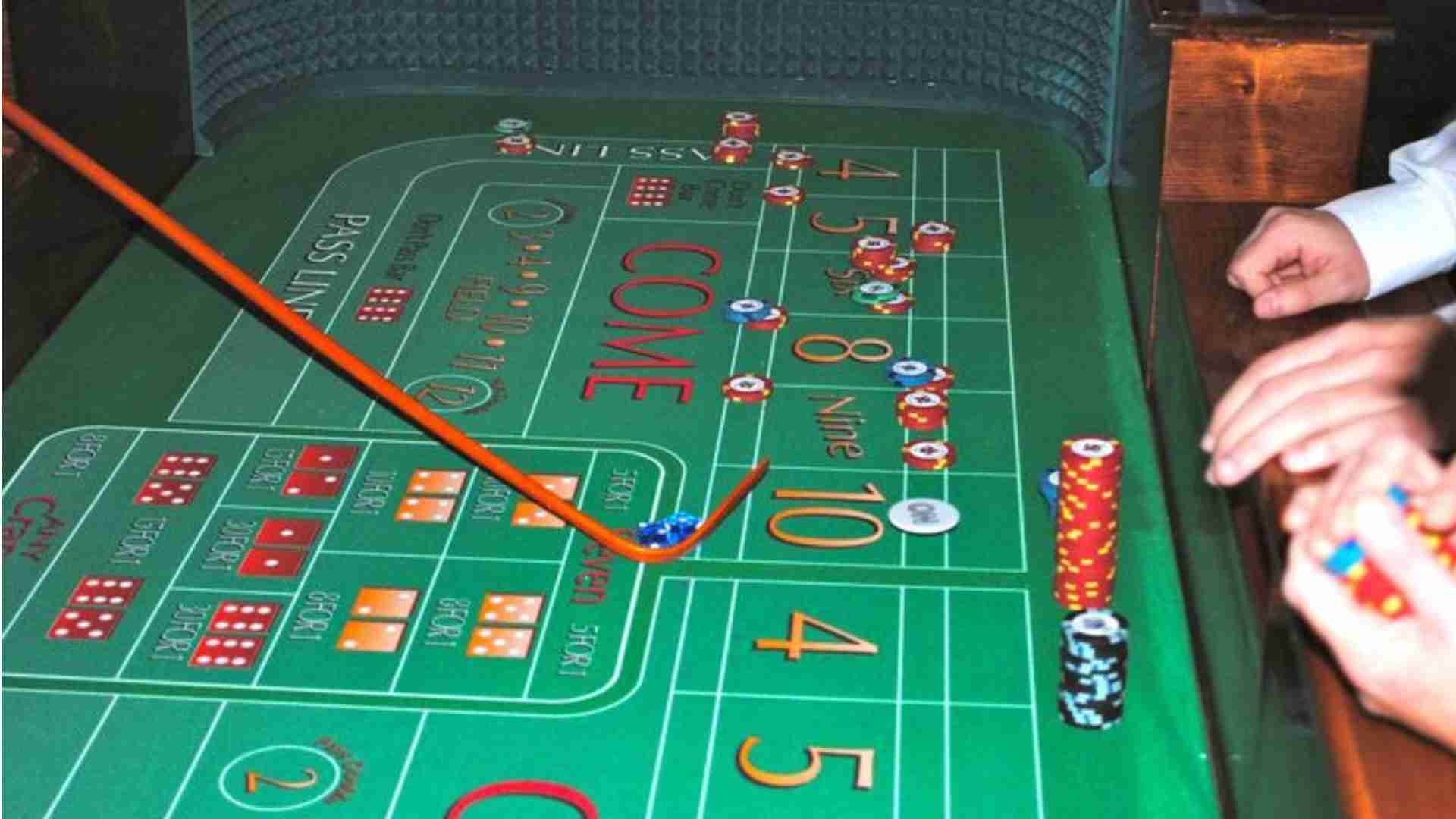
Despite the rapid rise of digital tabletop platforms and automated random number generators, the simple act of casting physical dice continues to hold a special place in gaming culture. The weight of the dice, the clatter across a wooden table, and the shared anticipation of a crucial roll create a sensory connection that screens simply cannot match. This tactile experience grounds players in the present moment, turning abstract probabilities into exciting real-world outcomes.
The Sensory Satisfaction of Real Components
Rolling physical dice engages multiple senses simultaneously, creating a tactile feedback loop that enhances table atmosphere. The heft of resin, metal, or wood in a player's hand adds a tangible sense of agency to every decision made during a game. Hearing the distinct sound of dice bouncing off a tray builds suspense that digital animations often struggle to replicate.
This physical connection helps deepen emotional investment in game narratives and competitive matches. When players physically toss the dice, they feel directly responsible for the result, whether it leads to a dramatic triumph or an unexpected setback. That shared physical reality fosters stronger social bonds around the gaming table.
Psychology and the Thrill of Pure Chance
The unpredictability of a physical roll brings a unique psychological thrill that keeps tabletop enthusiasts returning to classic mechanics. Human brains are naturally drawn to probability games where risk and reward hang in a delicate balance. The moment between shaking the cup and revealing the numbers creates a brief pause filled with pure hope and excitement.
Gamers looking for insights into gaming trends and platform developments often visit resources like m88 thai to explore how traditional mechanics influence modern entertainment formats. Understanding how chance operates allows players to appreciate both strategic planning and unexpected twists. Ultimately, managing variance is what makes dice-driven gameplay so dynamic and endlessly replayable.
Bridging Generations Through Simple Mechanics
Physical dice serve as a universal language across different age groups and skill levels. Because six-sided cubes and polyhedral sets are intuitive to understand, games relying on them feature low barriers to entry for beginners. Young children learning basic counting and experienced strategists calculating complex odds can enjoy the same physical components together.
This accessibility makes dice-based games ideal for family gatherings, casual game nights, and social clubs. The lack of digital screens encourages face-to-face interaction and genuine conversation. As a result, physical dice remain timeless tools for bringing people together across generations.
The Lasting Legacy of Physical Play
In an increasingly digital world, tactile hobbies provide a welcome break from constant screen time. Collecting custom dice sets has even evolved into a thriving artistic community, highlighting the enduring appreciation for physical craftsmanship. Gamers take pride in selecting unique colors, materials, and designs that reflect their personal gaming identity.
As board game design continues to innovate, physical dice remain an irreplaceable foundation of tabletop entertainment. Their ability to deliver immediate fun, dramatic tension, and tactile joy ensures they will remain central to game nights for decades to come. The magic of a physical roll proves that true gaming joy often lies in simple, tangible moments.