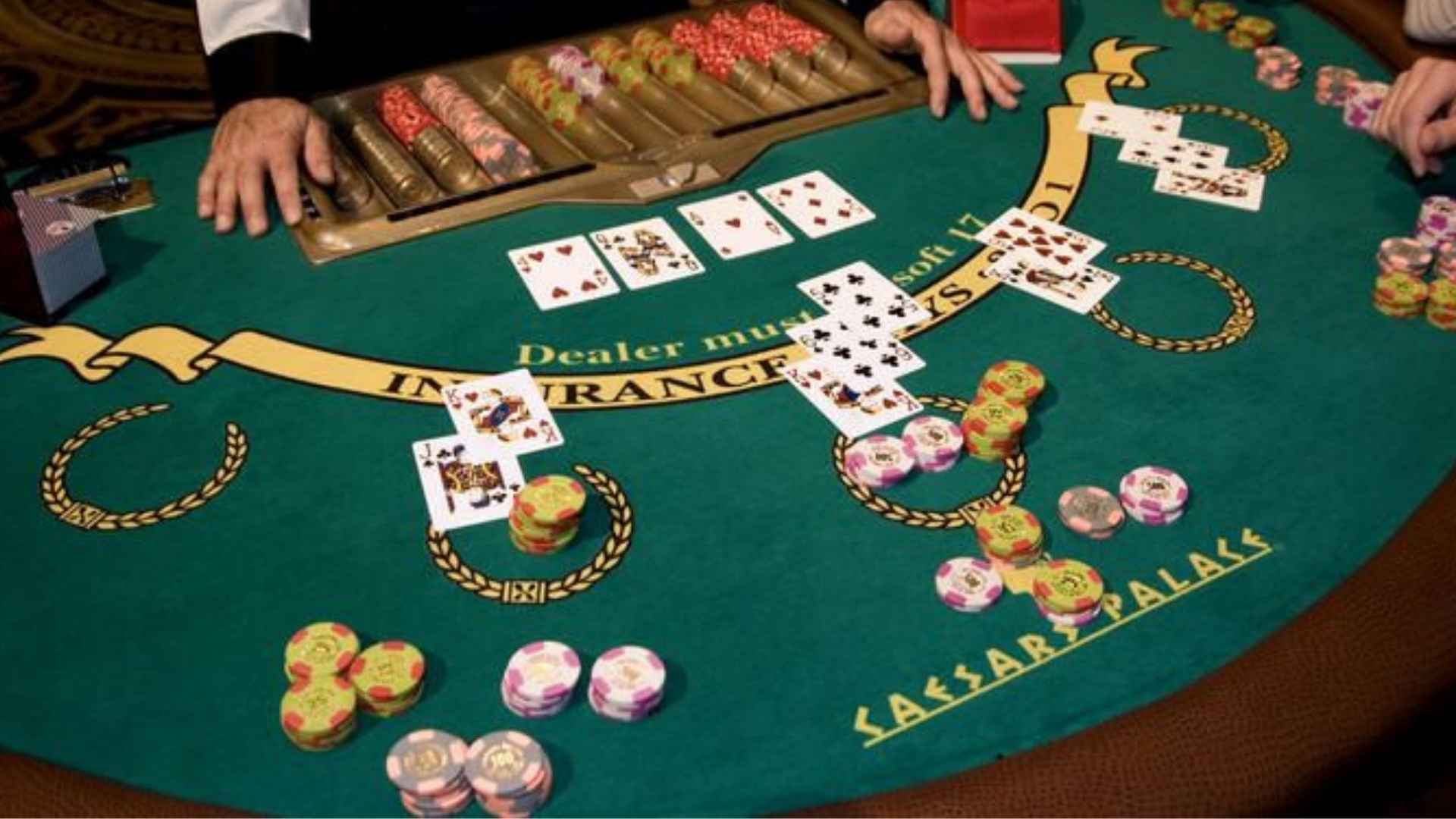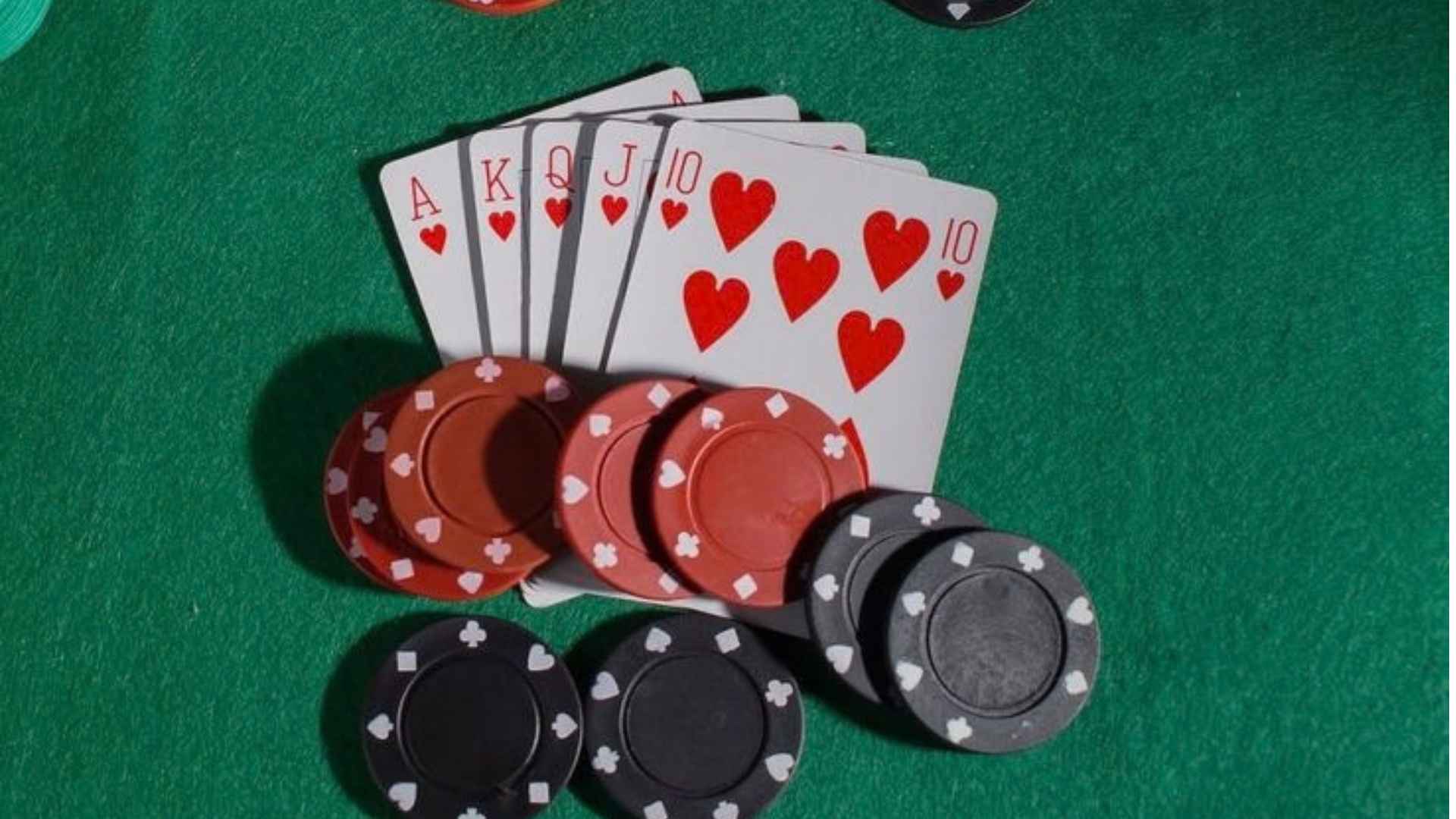
Poker is an intricate game of imperfect information where strategic success relies heavily on gathering behavioral evidence from your opponents. While casual players often fixate solely on their own card combinations, experienced competitors actively study the entire table dynamics. By cultivating a sharp eye for detail, you can easily uncover structural weaknesses and transform subtle observations into a profitable edge.
Decoding Predictable Betting Patterns
The most reliable source of information at any card table is how an opponent manages their chip stack across multiple betting rounds. Many players follow fixed strategic habits, unconsciously changing their wagering sizes based on the true strength of their holdings. Tracking these discrepancies allows you to build accurate mental models and predict their upcoming decisions with greater certainty.
Observing whether a competitor acts with sudden hesitation or immediate confidence provides deep insight into their tactical comfort level. When a player consistently relies on repetitive betting lines, they become highly vulnerable to counter-strategies. Paying close attention to these procedural adjustments is essential for anyone looking to maintain a strong competitive advantage.
Analyzing Nonverbal Communication and Physical Cues
Beyond the mathematical data of bets and raises, the physical presence of players can reveal critical details about their psychological states. Minor changes in posture, breathing rhythms, or eye movement often signal hidden anxiety or genuine calmness. While elite opponents try to mask these indicators, casual enthusiasts frequently display clear signs of discomfort when executing a complex bluff.
It is vital to establish a reliable baseline for each individual before drawing definitive conclusions from a single gesture. A specific habit might indicate intense stress in one competitor while simply representing a natural resting movement for another. Elevating your gameplay requires cross-referencing these physical responses with the actual showdown outcomes over extended sessions.
Leveraging Table Position for Better Insight
Seating arrangements dictate the flow of information and heavily influence your capacity to observe other players effectively. Acting last gives you the immense advantage of watching how the entire field responds to the current board state before making your move. This positional leverage allows you to execute precise tactical maneuvers with much lower financial risk.
Consistently playing pots out of position forces you to make complex choices with highly limited information. By focusing your analytical energy on opponents who must act before you, you can control the overall size of the pot more comfortably. Utilizing a trusted brand like Mansion88 helps dedicated enthusiasts study these essential positional concepts through real-time game exposure.
Maintaining Emotional Control Under Pressure
Developing high-level observation skills requires complete mental clarity and strict discipline over your own internal reactions. When a player permits frustration or a bad beat to disrupt their focus, they naturally miss the subtle clues happening around them. True professional growth stems from separating logical evaluation from temporary emotional outcomes during intense card sessions.
Protecting your focus ensures that your strategic decisions remain firmly backed by objective reasoning rather than impulsive feelings. Recognizing when your own concentration begins to fade allows you to step away before committing costly execution errors. Ultimately, mastering the art of observation is what separates consistent winners from those who depend purely on the luck of the draw.